A little of what Rick & Ron taught me About Being a Wedding Photographer
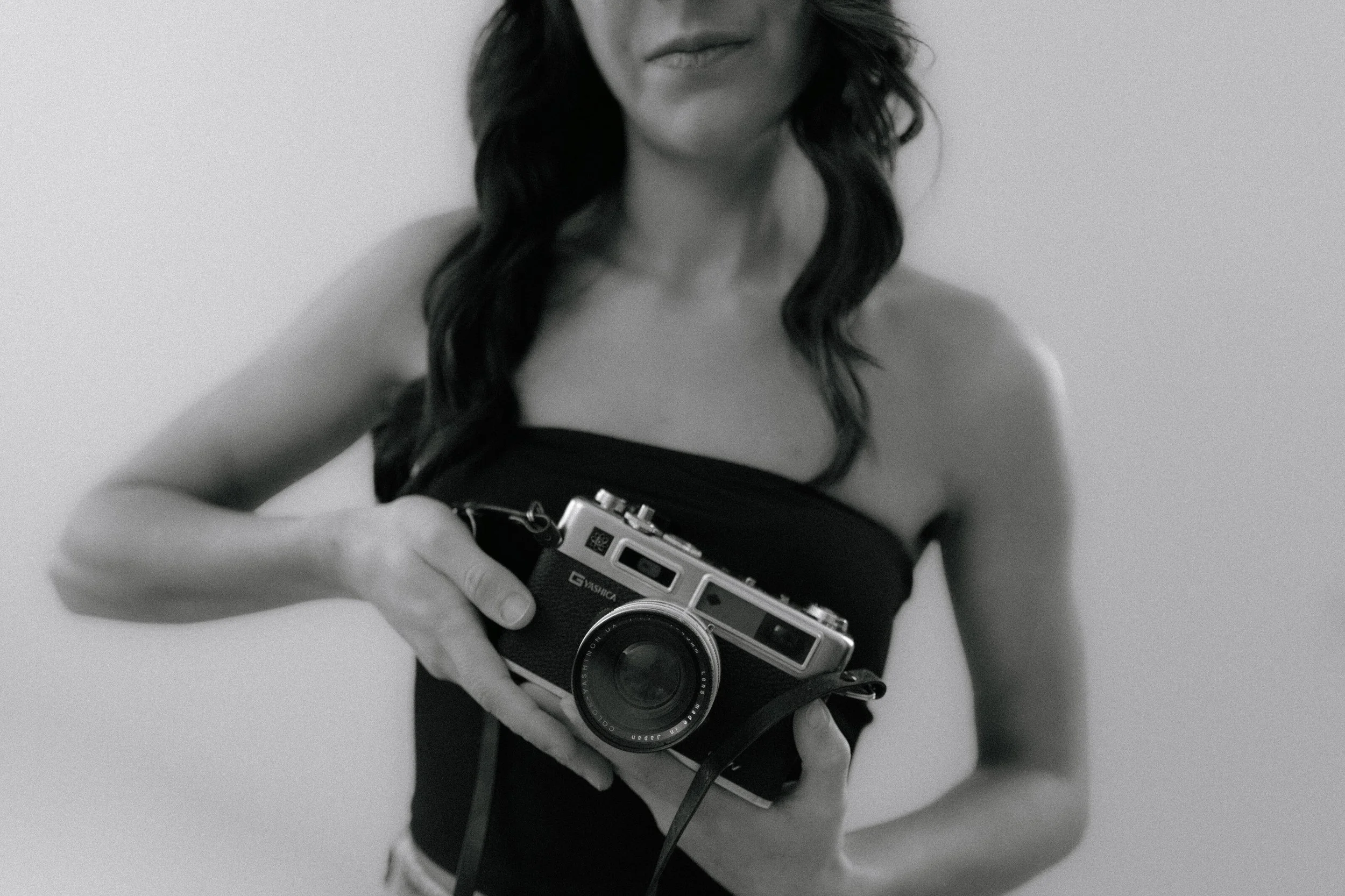
Photography runs deep in my bones.
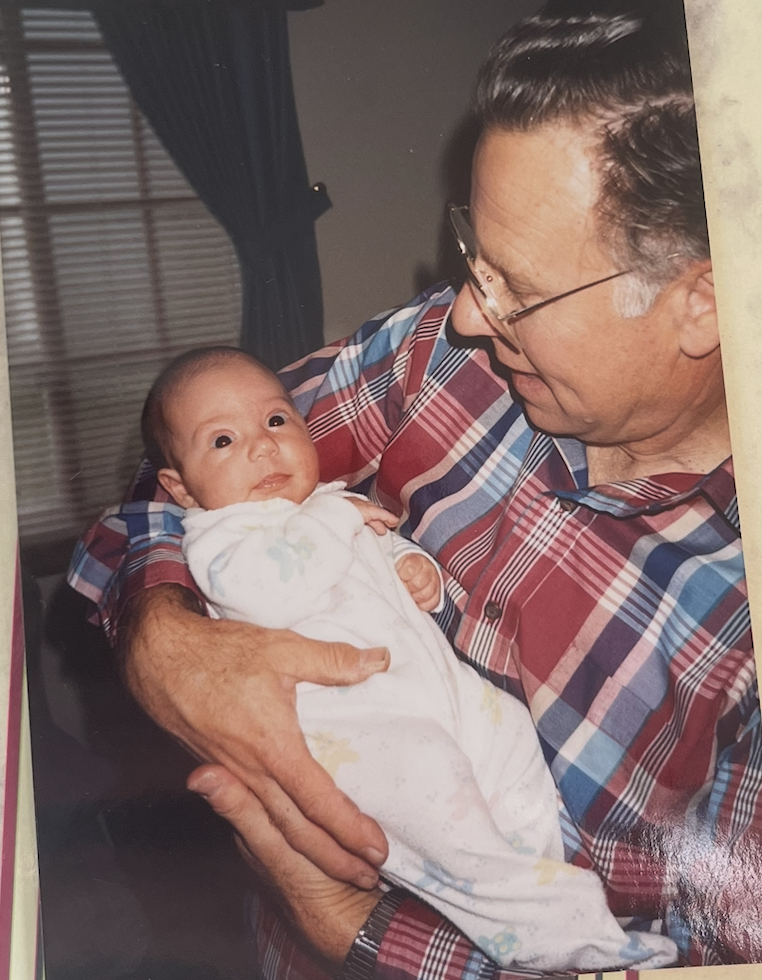
My grandpa Ron taught my dad Rick in a homemade darkroom in their basement in Chicago. My dad passed that love on to me. And so much of what they passed down lives in the parts of this business you’ll never see in a finished photograph.
The preparation. The organization. The way I protect someone’s images. The time I reserve for the people who have trusted me with their wedding and once-in-a-lifetime memories.
I’m incredibly thankful those lessons reached me before I launched Nicole Kilday Photography in 2016.
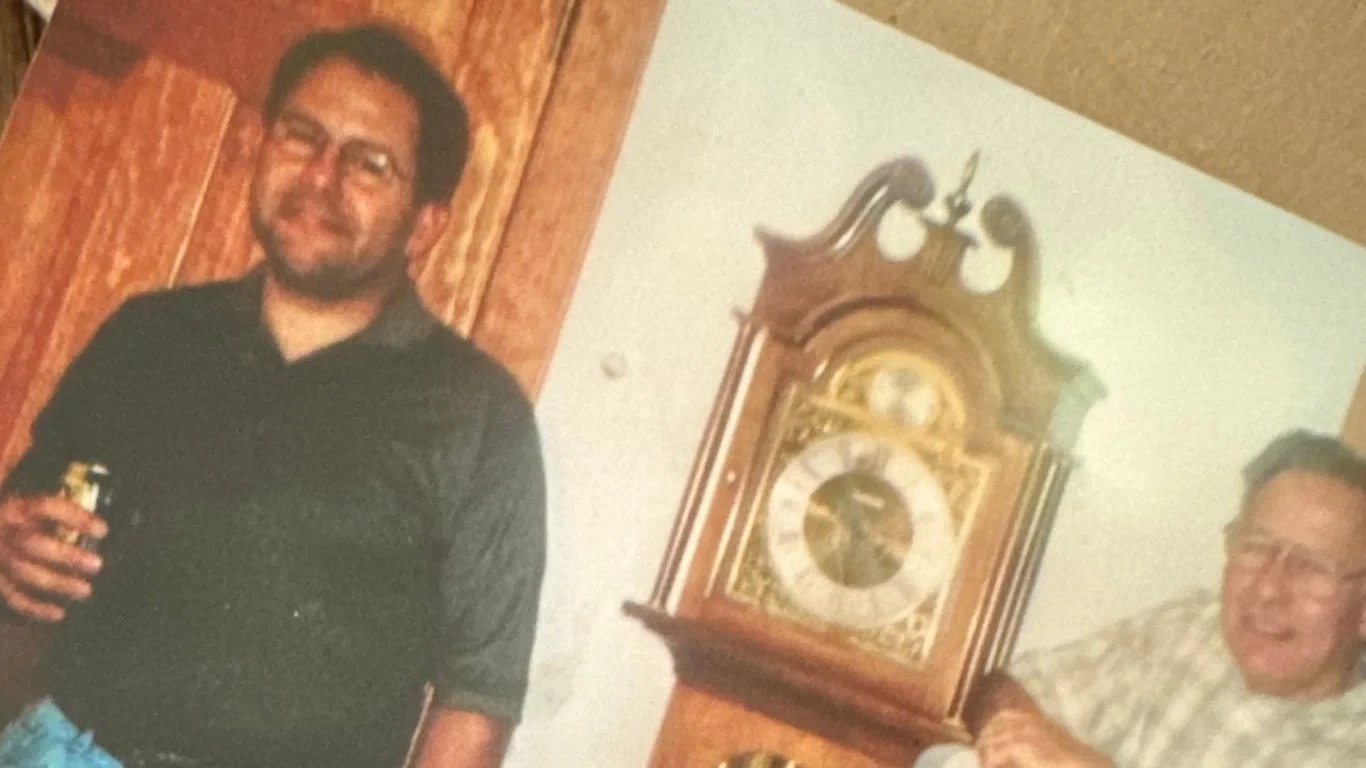
Rick (my dad - left), Ron (my grandpa - right)
As a wedding photographer serving Northern Illinois and Southern Wisconsin, I carry those lessons into how I prepare for your day, communicate with you, and care for your photographs afterward.
If you’re engaged and searching for your wedding photographer, I want to share what that commitment looks like. These are also wonderful points that may spark questions to ask the photographer you’re considering.
What this means for your wedding
I want you to KNOW you’re a priority through the way I prepare and follow through. For your wedding, that means:
Planned check-ins and help building your photography timeline.
Time reserved to prepare for your day and focus on your plans.
At least two cameras, each recording photographs to two memory cards.
Separate image backups and file checks before cards are reused.
Clear expectations around communication, gallery delivery, and image retention.
These practices grew from lessons my dad and grandpa passed down—and the commitment I believe you deserve.
Two generations helped shape the care I bring to your wedding
I think about the homemade darkroom in my grandparents’ basement in Chicago and everything that followed it.
My grandpa teaching my dad. My dad carrying photography through his life and into mine. All the cameras, photographs, conversations, and lessons that eventually helped me build this business.
My dad is also an electrical engineer, so learning photography from him came with a whole lot of understanding how technology works—and how it can fail.
I was fortunate to have someone explaining these things before I was responsible for another person’s wedding photographs.
These lessons became habits I’m grateful for. Others grew as I photographed weddings, became a mom, and learned what I needed to give my couples and my family the commitment they deserve.
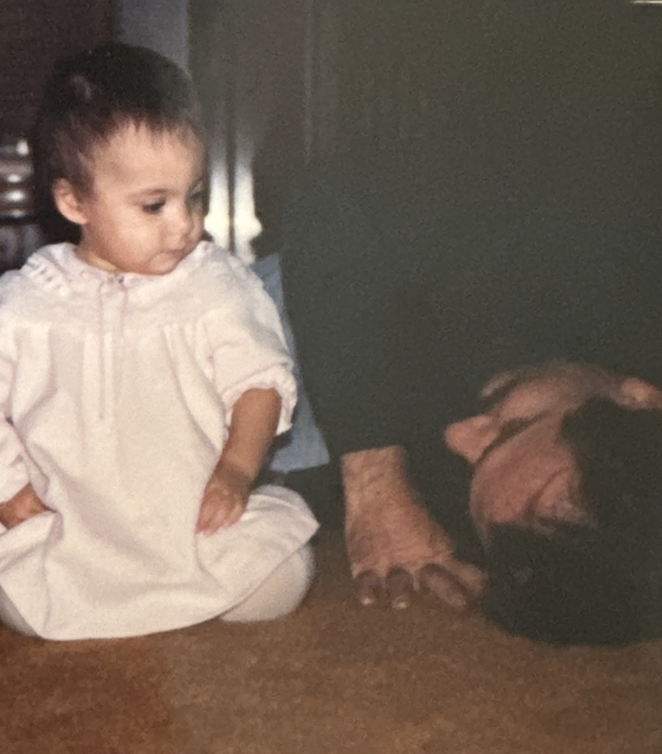
You’re making a commitment. I believe in giving you that same commitment.
You’re getting married. You’re making a commitment to each other, and you’re trusting me to document the people and moments surrounding it.
I believe in giving you that same commitment.
When I accept your wedding, I’m agreeing to prepare for it, make time for it, show up, protect the photographs, and follow through on delivery.
To me, that responsibility is the bare minimum for doing this work.
You should KNOW you are a priority because I’m giving you reasons to know it. I’ve read your questionnaire. I’ve made space for our call and communication. I know what you’ve told me matters to you.
My process includes inquiry, consultation, booking, planning, your wedding day, backups, sneak peeks, editing, delivery, and archiving.
It also includes the work you won’t necessarily see. Checking equipment. Confirming travel. Verifying image copies. Making sure your gallery is complete before delivery.
All of that needs time and attention, too.
Your wedding plans have a dependable home
I’ve used HoneyBook religiously since 2017. Having a home for my couples’ information has been one of the most useful decisions I’ve made for my wedding photography business.
When I sit down to work on your wedding, I want the communication, contract, payment information, questionnaire, notes, and tasks available together.
I want to spend that time paying attention to you instead of hunting through messages.
That’s why I keep the vast majority of communication through email, with your planning information together in your project. When you share an important detail by email or on a call, it has somewhere dependable to live.
That upkeep is part of my commitment to knowing what you’ve trusted me to remember.
What to expect from me before your wedding
Here’s what those communication touchpoints actually involve.
After booking: your engagement questionnaire and planning document
After booking, you receive an engagement questionnaire and a shared planning document.
My pre-wedding engagement sessions are included with weddings, so this helps us begin planning something meaningful and true to you.
The document also gives family photo requests a home, notes, and timeline details somewhere to live as your plans develop. We will keep returning to it as things come together.
Around six months before: your wedding questionnaire
Around six months out, I send your wedding questionnaire.
More vendors are usually added to the team by then, and their timing requirements can help shape our photography timeline.
Your answers help me begin building a draft around your plans, your people, and what you’ve told me matters.
Around three months before: our timeline call
Around three months out, we hop on a call and walk through the rough draft I’ve built from your answers.
I reserve time to prepare before that conversation. A reminder to have a timeline call is only useful if I’ve also made time to read what you’ve shared and build the draft.
Then we have space to work through it together.
One month before and wedding week
One month is a touch base and an offer to help.
Wedding week is reminders, a few useful packing suggestions, and naturally, “I can’t wait to celebrate the heck out of you two.”
An emergency kit might include a sewing kit or a crochet hook for dress buttons—little things that can be helpful when needed.
For shorter bookings, I bring the relevant steps closer together.
I want you to know you are cared for because I’m making time and space to focus solely on you throughout our experience together.
Reserving the time and energy your wedding deserves
An open wedding date is one part of deciding whether I can accept a booking.
I also look at what surrounds it.
Will I need to travel? What preparation needs to happen? What’s already waiting in my editing queue? What have I committed to in my own life?
I block the day before, the wedding day, and the day after. That’s the breathing room I’ve chosen for how I work.
I want time to prepare my equipment, review the details, travel when needed, and arrive ready to give your wedding my full attention.
Afterward, your files and the work still need care.
Why making room for my family matters, too
After having my first son in 2020, I learned something about the schedule we were living.
My husband worked weekdays. I worked weekends. It helped us care for our son, and there was something beautiful about that.
But we could get through a week with very little time together as a family of three.
I wanted that time, too.
Now, before opening my books, I look at personal commitments and reserve time off. Some dates have a specific reason. Some are simply space to be together.
I want to be fully present for the couples whose weddings I accept. I also want memories with my boys that I’m actually in.
Those commitments both deserve my attention.
Knowing when you can reach me
My office hours are Monday through Thursday, with a hard stop at 4 p.m., working around caring for my kids.
I answer emails before they’re up and check in throughout the day. Fridays and Saturdays are reserved for weddings. Sundays are family days.
I’m transparent about that in my email signature and on my website because I want you to understand when you can expect to hear from me.
If I’m photographing another wedding, I’m giving those people the attention I’ve committed to giving them.
You can expect that same attention on your day.
Preparing for emergencies before they happen
I care deeply about showing up when I’ve said I will. I also know that serious illness and emergencies can happen.
Thinking through that possibility is part of preparing for the commitment.
Organized wedding information matters here, too: locations, timing, contacts, family photo requests, and the details you’ve identified as important. Those are things another photographer would need if they ever had to step in.
When you’re choosing your wedding photographer, ask how an emergency would be handled, how replacement coverage would be arranged, and how you would be informed.
A replacement’s availability would still need to be confirmed. Having those conversations helps you understand the plan rather than having to guess.
Equipment trouble also deserves preparation.
Why I bring at least two cameras to your wedding
My rule for photographing weddings: I always have at least two camera bodies with me, each with dual card slots configured to save every photograph to both cards.
That prepares me for two different possibilities: a card failing and a camera body failing.
If a camera stops working during your wedding, I want another body ready to keep photographing. Those moments are still happening.
Two card slots alone don’t mean two copies. The recording settings matter, and both cameras need to be checked. That second body needs to be accessible, charged, and prepared to use.
One of the things I’m most grateful my dad taught me is to understand the equipment I’m depending on.
As a wedding photographer, I’m working through fast-moving moments that won’t happen again. Knowing how my cameras and memory cards work together is part of preparing for that responsibility.
I buy compatible cards from reputable sellers—B&H Photo Video and Best Buy have been my go-tos.
Even a genuine, properly specified card can fail. Recording to both cards reduces the risk of losing photographs to a single-card failure.
The cards still share the camera, which is why the backup process continues after your wedding.
How I back up your wedding photographs
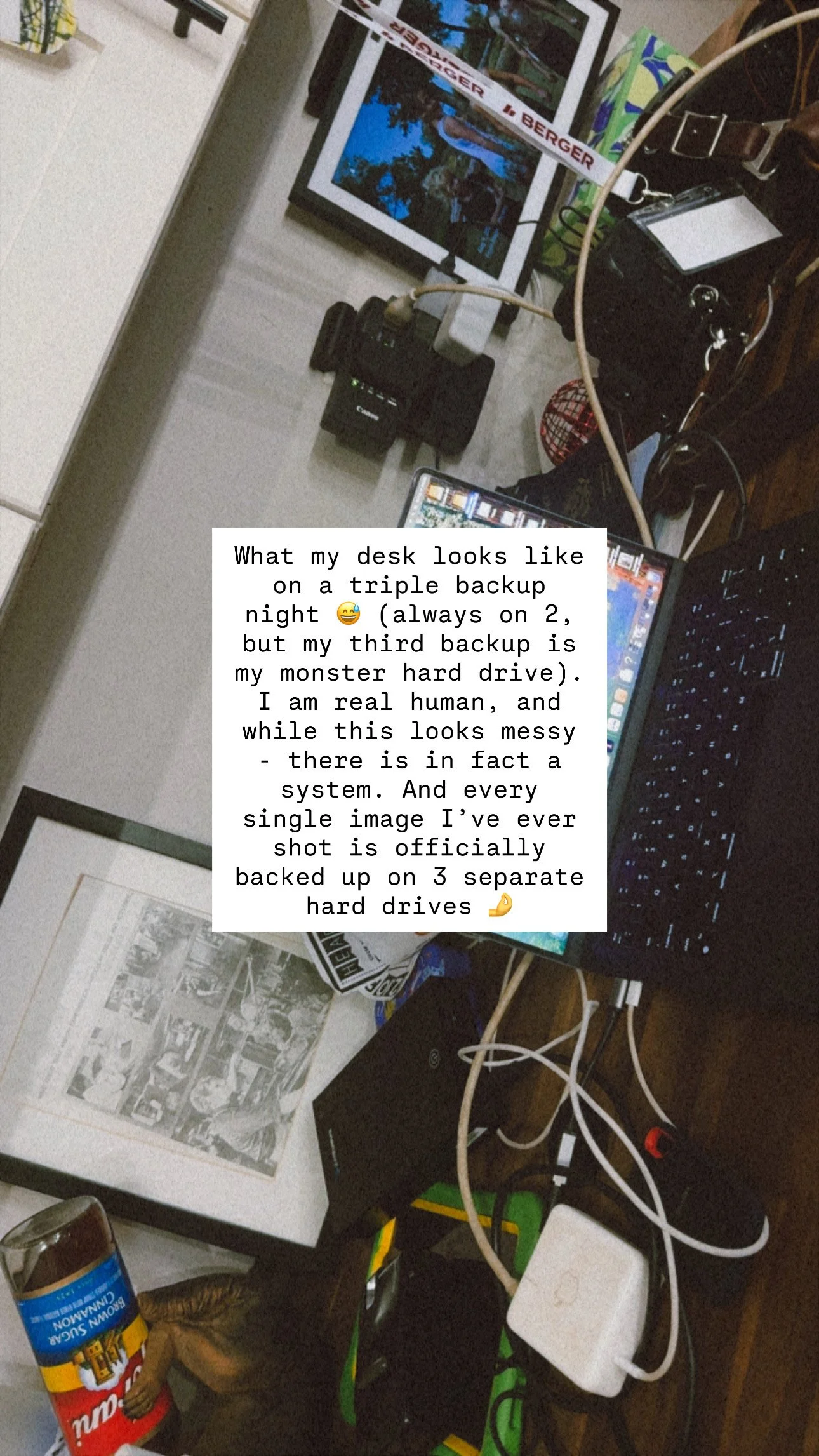
After a wedding, every file gets copied to two solid-state drives, or SSDs. One becomes the drive I work from in Lightroom.
I keep my cards available while I cull and check the files. If I discover an issue with one card, I want that second card available.
Before clearing cards, I check that the intended files reached both destinations and that the actual images can be read. A preview appearing doesn’t establish that every full file is intact.
Your photographs also have a consistent folder structure, with your wedding date and names making them easy to identify and find. The editing information and finished photographs need a dependable home, too.
Those files represent the wedding I’ve committed to deliver. Protecting them is part of finishing the job.
Thinking beyond an individual drive
Once a full gallery is complete, I copy the wedding folder to an additional large-capacity archive drive stored in a fire- and water-resistant safe.
That’s my current process. An offsite copy adds protection against something happening to the entire location, and a safe at home doesn’t replace that.
My dad once had drives fail after lightning struck my parents’ house. He was able to recover the files, but that experience is part of why I think about more than an individual drive stopping working.
When asking a photographer about backups, it’s useful to ask where the copies are kept and how they check that those copies are usable.
A lesson worth knowing about your own photographs, too
My dad recovered my work after hard drives failed during finals my sophomore and junior years of college. He’s helped other people recover photographs, too.
I cannot explain how thankful I am for that knowledge and his willingness to use it to help people.
One lesson he made very clear: if you accidentally delete something, stop using the affected storage.
Don’t copy more files onto the drive or card. Don’t format it or save recovered files back onto it. Continued use can overwrite data you’re hoping to recover.
Get qualified recovery help. If a drive is physically damaged, making unusual sounds, or repeatedly disconnecting, avoid repeated attempts to make it work.
Recovery depends on the device and what happened. Sometimes it’s possible. Sometimes it isn’t.
It’s a lesson I hope you never need, but one I’m grateful to know.
How long I keep your wedding photographs
A few years ago, a client tragically lost everything in a house fire, including their wedding photographs. Their wedding had happened four years earlier.
I still had the images and was able to reshare their full gallery.
I couldn’t give them their home or belongings back, but I could give them that piece of their life again in photographs.
I’m so thankful I could.
My contract states one year of image retention. Personally, I’ve kept archives going back before I launched Nicole Kilday Photography in 2016. That’s a choice beyond my stated commitment, rather than a promise of permanent storage.
When speaking with a wedding photographer, ask what they retain, how long they retain it, and how long your online gallery remains available. Those timelines may be different.
Once your gallery is delivered, download your full-resolution photographs and keep your own separate backups.
These are your memories. I want you to have a dependable way to keep them, too.
Questions to ask when choosing a wedding photographer in Illinois or Wisconsin
I’ve spent a ridiculous amount of time working on my website, asking whether someone who has never met me could understand what hiring me actually means.
Can you find where I work? Understand my approach? Get useful pricing and travel information? Know what happens after you inquire?
The expectations I set should match the experience I’m prepared to give.
As you research photographers, these questions can help you understand what happens beyond the portfolio:
What does communication look like between booking and our wedding?
How will you help us prepare our photography timeline and family photo requests?
What backup equipment do you bring?
Do you record photographs to two cards?
How would you handle a serious illness or emergency?
How do you back up our photographs while you’re editing?
When can we expect our gallery, and how long will we have access?
How long do you retain our photographs after delivery?
You don’t need to become an expert in cameras or hard drives to ask. These conversations help you understand the commitment someone is making when they accept your wedding.
You can find more about my approach and collection details on my Illinois wedding photography page.
Passing along a little of what Rick & Ron taught me
One day, my grandpa’s and my dad’s cameras will have a permanent place on display in my home.
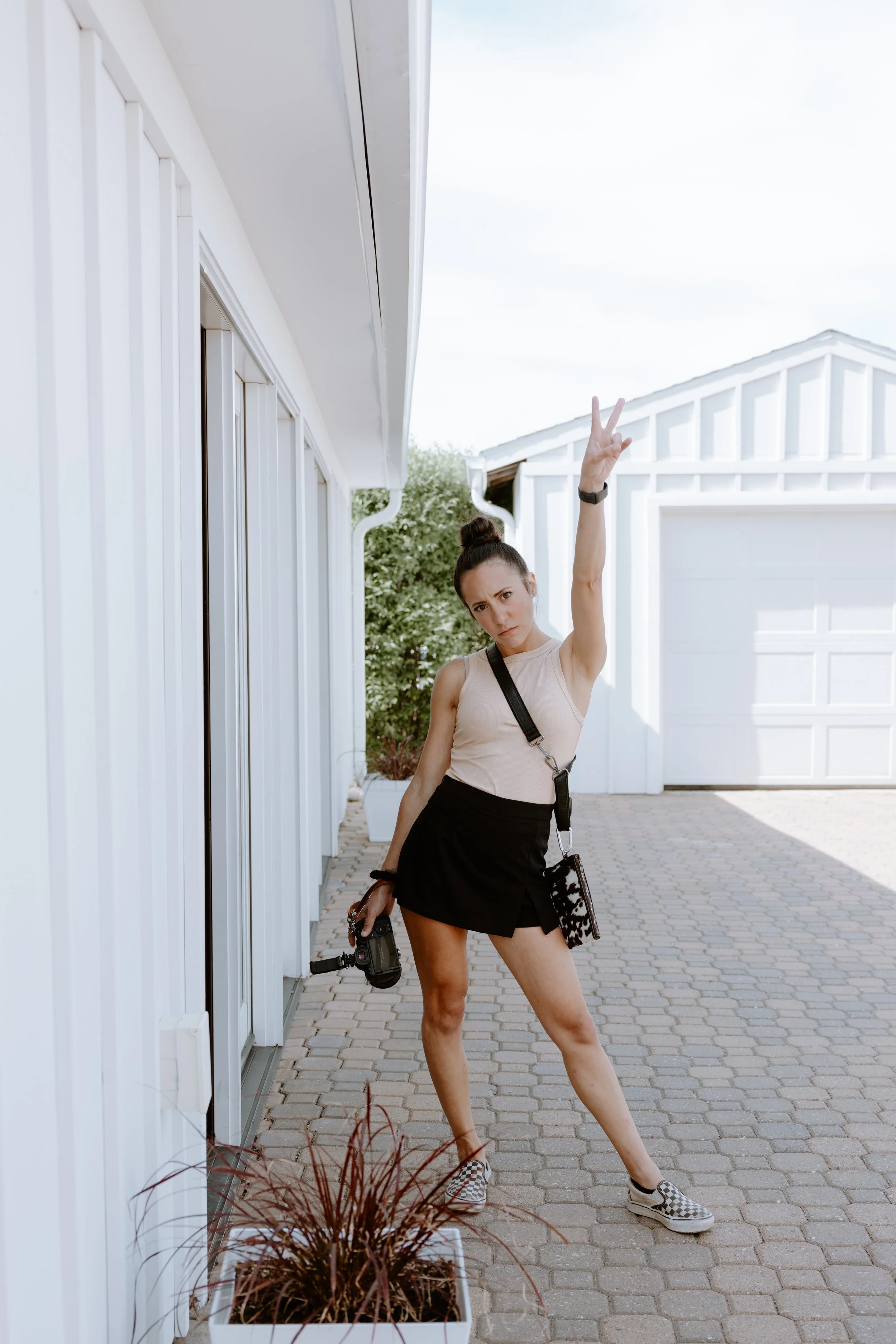
An ode to the passion that built mine.
For now, their lessons are already here. In what catches my attention. In the photographs I make. In the preparation, the backups, and the care I take with what someone has trusted me to keep.
Some of these processes came directly from my dad and my grandpa. Others grew as I built Nicole Kilday Photography, photographed weddings, became a mom, and learned what I needed to give my couples and my family the commitment they deserve.
I’m sharing because I’m grateful. Because someone took the time to teach me things that have helped me care for this work so deeply.
Our work in the wedding industry brings us into people’s lives on a day built around commitment. I’ve always wanted the way I run my business to honor that.
I’m thankful for the hands that held me long before their lessons guided me in building my dreams into reality.
I hope passing them along helps someone else take care of theirs. Thanks to Rick & Ron for sharing it all with us. I wouldn’t be here without you.
If you’re getting married in Northern Illinois or Southern Wisconsin, tell me about your day. I’d love to know who you’re bringing together and how you want it to feel.
